
Creative Learning a new skill can be a lot more enjoyable when it does not feel like another school assignment. You do not always need to sit with a book, memorise pages of information, or follow a strict lesson plan. Sometimes, you learn best when you simply start doing something.
That is the simple idea behind creative learning. You learn through practice, curiosity, small experiments, and sometimes a few mistakes along the way. You also get the chance to find out what you actually enjoy instead of choosing a skill only because someone else says it is useful.
What Is Creative Learning?
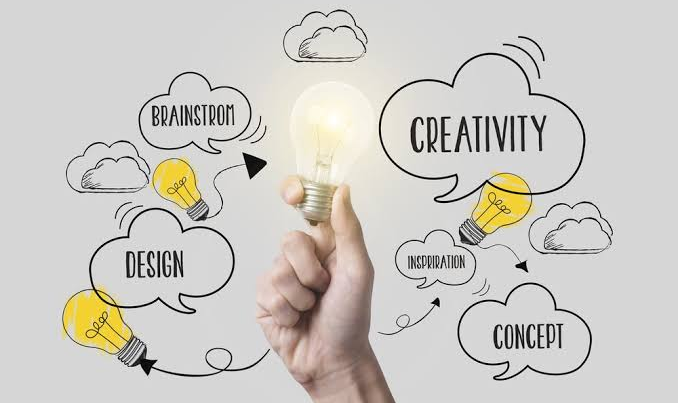
Creative learning means learning through activities where you can think, experiment, create, and solve problems in your own way.
It can look different for everyone. One person might learn by sketching in a notebook. Another might learn by editing short videos on a phone. Someone else may understand a topic better after making a mind map or explaining it to a friend.
The difference is that you are not only receiving information. You are doing something with it.
Imagine that you want to learn photography. You could read about lighting for hours, but taking your phone outside and trying different angles will teach you something too. You will notice how a shadow changes a picture, how moving a little closer changes the frame, or how the same object looks different at different times of the day.
That kind of practical experience is a big part of creative learning.
Why Is Creative Learning Useful?
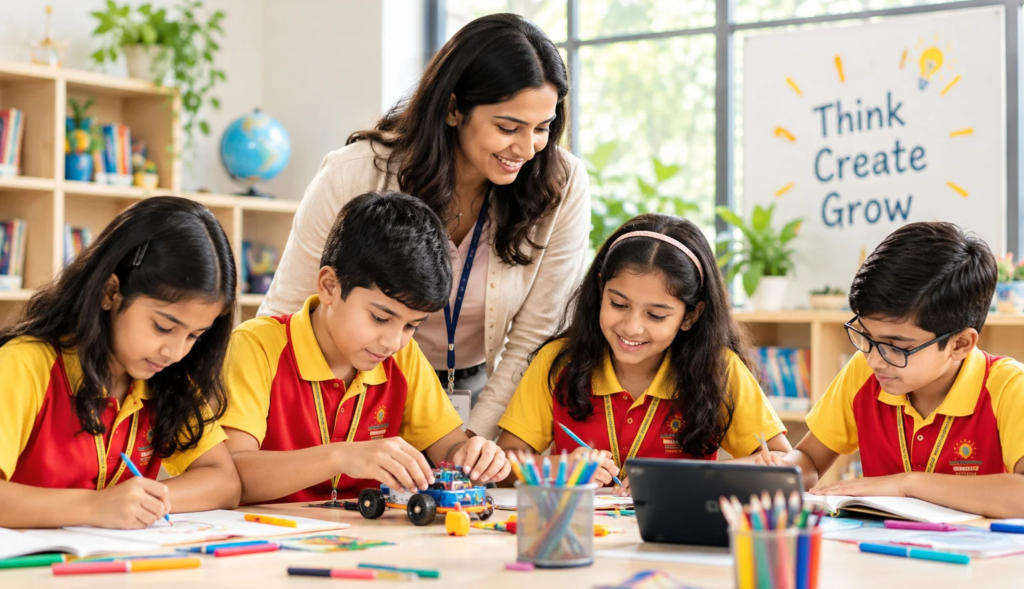
There is a simple reason people often enjoy Creative Learning through creative activities: they get to participate instead of just listening or reading.
When you are interested in what you are doing, practising can feel much less like studying. You may even continue for longer because you are curious about what will happen next.
Creative learning can help you:
- Learn by actually doing something
- Become more comfortable with trying new ideas
- Improve your ability to solve problems
- Express yourself more clearly
- Develop patience through regular practice
- Discover hobbies that you did not know you would enjoy
- Build examples of your work for a future portfolio
- Use your free time in a productive and enjoyable way
Mistakes are part of it too. Your first sketch may look strange. Your first edited video may have cuts that do not feel right. A new recipe may need more seasoning.
None of that means you have failed. It simply shows you what to try differently next time.
Easy and Fun Creative Learning You Can Learn
There are countless skills you could explore, so there is no need to start with something difficult. Pick an activity that genuinely catches your attention.
1. Start With Drawing
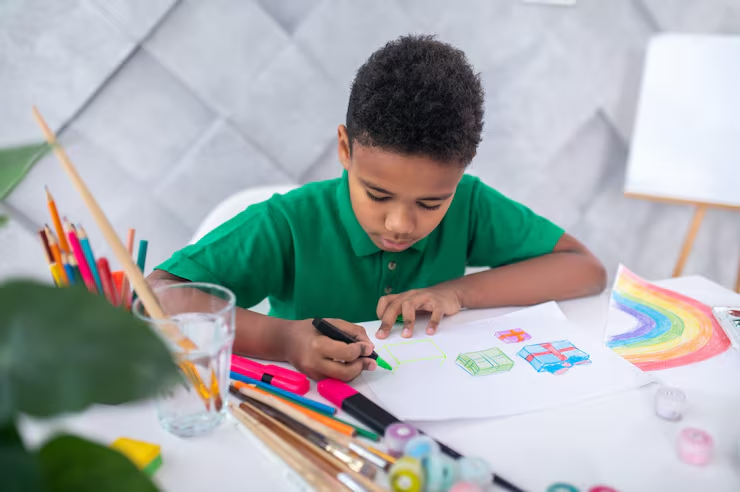
Drawing is easy to try because you need very little to begin. A pencil and a piece of paper are enough.
Look around you and choose an ordinary object. Draw a cup, a plant, a bottle, or a book. Do not worry about making it look like a professional sketch.
Pay attention to the shape first.
Once you are comfortable, you can try doodling, colouring, digital drawing, or mandala art. You may be surprised by how much easier drawing becomes when you stop worrying about making every line perfect.
With practice, you also start noticing small details around you. You become more aware of shapes, shadows, proportions, and patterns.
2. Learn Photography With Your Phone
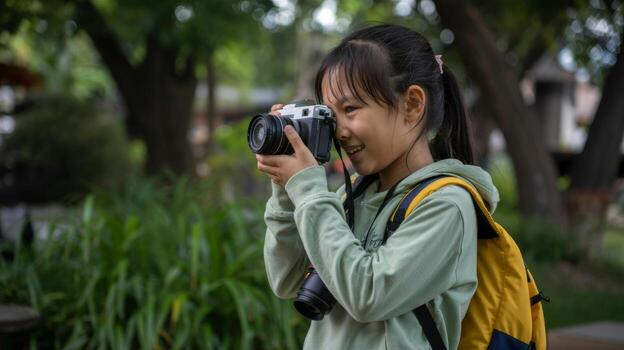
Most people already carry a camera with them every day.
Instead of using your phone only for casual pictures, try turning it into a small photography practice tool.
Choose one object and photograph it from several positions. Take one picture from above, one from the side, and one from closer up. Try taking another when the light changes.
You can also play around with shadows, reflections, windows, plants, buildings, or everyday objects.
Afterward, look at the pictures properly. Which one do you like most? What made it different?
You do not need an expensive camera to start noticing these things.
3. Try Writing for Yourself
Writing can begin with something very simple.
Open a notebook or a blank document and write about your day. Describe something you saw. Write a short story. Make up a character. Try writing a caption for a photograph.
At this stage, do not stop after every sentence to correct your grammar.
Just write.
When you finish, read it again. You might find a sentence that sounds awkward or a word that appears too many times. Fixing those little things is part of learning how to write better.
Over time, you may find it easier to explain what you are thinking without spending so much time searching for the right words.
4. Experiment With Video Editing
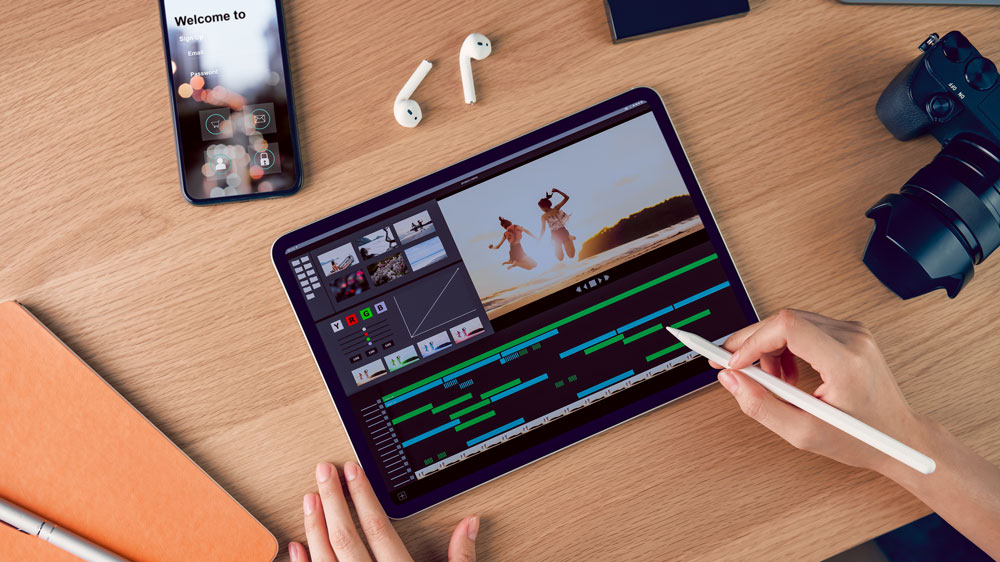
If you have a few clips saved on your phone, you already have material to practise with.
Choose three or four clips and put them together.
Remove parts that are unnecessary. Try changing their order. Add a short text line or background music if it suits the video.
You could make a small travel montage, a recipe video, a birthday memory, or simply a one-minute video from an ordinary day.
Do not feel that you need every transition and effect available in the editing app. Too many effects can sometimes make a simple video harder to watch.
Start with clean cuts and good timing. Once that feels comfortable, move on to more advanced editing.
5. Learn Through Cooking

Cooking is a skill where practice makes a noticeable difference.
Choose something simple for your first attempt.
Cooking is a Creative Learning where practice makes a noticeable difference.
Follow the recipe and pay attention to what happens while you are cooking.
Maybe the vegetables need a little longer. Perhaps the dish tastes better with slightly less spice. You may even realise that you prefer a different way of presenting the food.
The next time you make the same recipe, you already know what you would change.
That is practical learning in a very everyday form.
6. Try a Handmade Craft
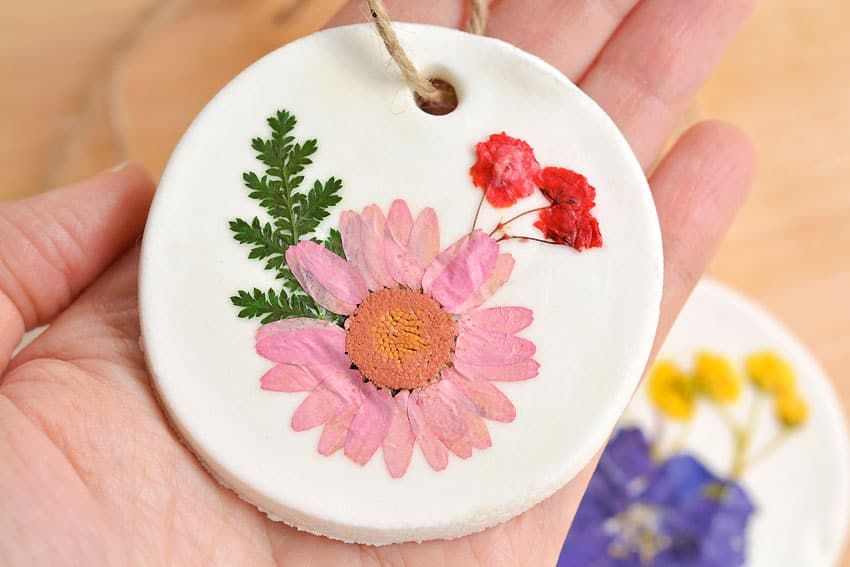
If you like making physical things, crafts can be a nice way to spend your free time.
You could make greeting cards, paper flowers, simple decorations, painted jars, clay objects, or handmade gifts.
Before buying lots of supplies, look around your home. Old cardboard, unused paper, jars, fabric pieces, and other leftover materials can sometimes be turned into something interesting.
The finished project does not need to look perfect. Half of the enjoyment comes from figuring out how to make it.
7. Explore Graphic Design
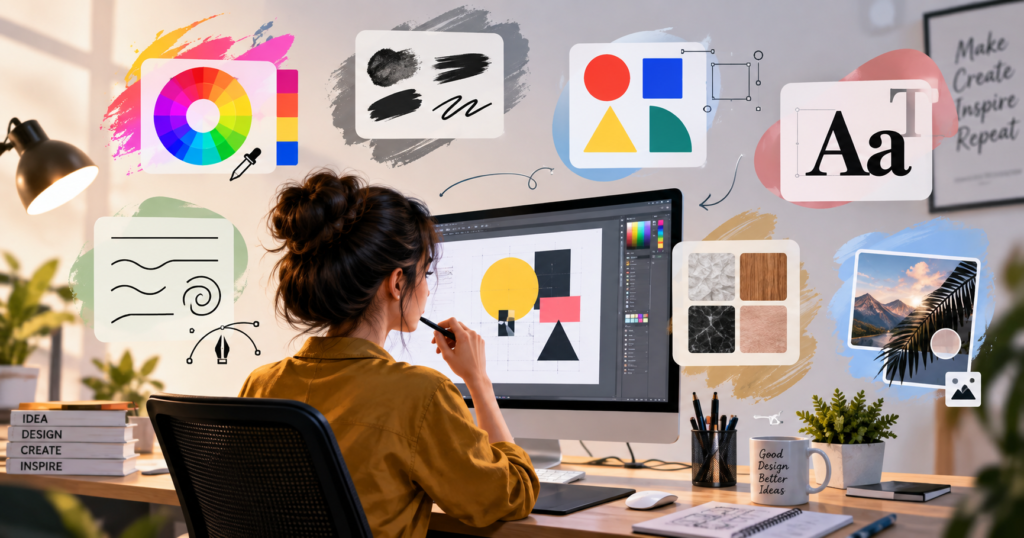
Graphic design is worth trying if you enjoy arranging pictures, text, colours, and shapes.
Start with something familiar.
Make a simple invitation, social media post, poster, or presentation slide.
Then make another version.
Change the font. Move the picture. Leave more space around the text. Try a different arrangement. Looking at two versions side by side can help you understand what makes one easier to read.
After some practice, you start noticing these details naturally.
Graphic design can also become a useful skill for college projects, social media work, freelancing, or future jobs.
8. Give Music a Try
You do not have to become a musician overnight.
If you have access to a keyboard, guitar, or another instrument, start with something basic. You can also practise singing or rhythm without owning an instrument.
Spend some time listening carefully to songs too. Notice the beat, different instruments, changes in tempo, and how different sections fit together.
The important thing is to find an approach that makes you want to come back to it.
How to Make Creative Learning Less Difficult
The excitement of starting something new is usually easy to find. Staying with it is the harder part.
That is why it helps to keep the process simple.
Do Not Set a Huge Goal at the Beginning
It is tempting to make big plans when you are excited about a new skill.
You might tell yourself that you will become an expert photographer in a month. A week later, the goal can already feel unrealistic.
Start much smaller.
Take five photographs today. Write one paragraph. Finish a short video. Draw one object.
A small task is easier to finish, and finishing something gives you a reason to continue.
Do Not Expect Your First Attempt to Be Great
Nobody starts at the level of someone who has been practising for years.
Your first photographs may be poorly framed. Your writing may feel awkward. Your design might have too much text.
Keep going anyway.
Those early attempts show you what you need to work on. If you save them, you can also compare them with your later work.
Keep a Folder of Your Work
Create one folder on your phone, laptop, or cloud storage for your practice projects.
Put your drawings, photographs, videos, designs, or writing samples there.
You do not need to show the folder to anyone.
After a few months, open it again. You may notice that something which once took you a long time now feels easy.
That is a good reminder that improvement does not always happen in a way you notice every day.
Creative Learning Ideas for Students

Students can use Creative Learning activities to make ordinary studying more interesting.
Suppose you have a chapter with several difficult concepts. Instead of copying everything into your notebook, turn the main ideas into a mind map.
If a process has several stages, draw it as a flowchart. Make your own flashcards. Try explaining the topic aloud without looking at your notes.
You can also combine Creative Learning with your subjects.
A biology student might create illustrated notes. A history student could make a timeline. Someone studying computers could build a simple webpage around a topic they already understand.
The point is not to make studying fancy. It is to find a way of working with the information that helps you remember it.
Creative Learning Can Be Useful for Work Too

A Creative Learning hobby does not always have to remain a hobby.
Writing, photography, graphic design, video editing, presentation design, social media management, and basic web design are all skills that can be useful in different types of work.
The easiest way to start building one is through small projects.
If you want to improve writing, create a few sample articles. Interested in design? Make a few posters or social media graphics. Curious about video editing? Put together some short videos using clips from your phone.
You will learn while making the projects, and you will also have something to show later.
More importantly, these small projects can help you discover what kind of work you actually enjoy.
How to Choose a Skill You Will Enjoy
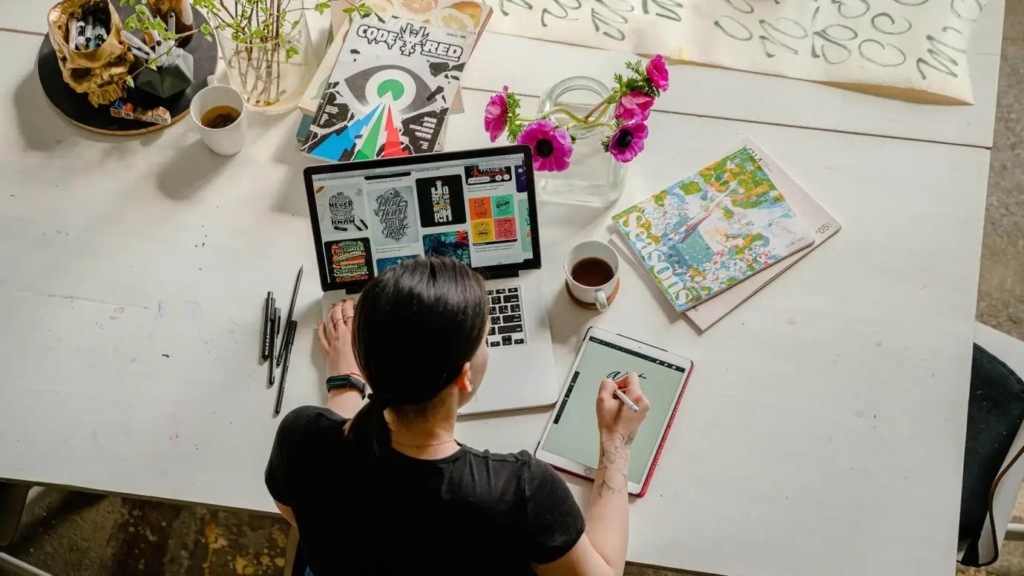
Sometimes the problem is not finding a skill. It is choosing one from the hundreds of options available.
Think about your existing interests.
If you enjoy writing, try creative writing or blogging. If you like taking photographs, experiment with photography. If you enjoy technology, video editing, graphic design, or web design might interest you.
Also think about why you want to learn.
Is it simply for fun? Do you want a relaxing hobby? Are you hoping to develop a skill that could help with your career?
There is no need to make a permanent decision.
Try one thing for a few weeks. If you enjoy it, keep going. If you keep finding excuses not to practise, try something different.
Sometimes discovering what you do not enjoy is useful too.
Final Thoughts
Creative learning can begin with something very ordinary.
Take a few photographs on your next walk. Draw something sitting on your desk. Try a recipe you have never made before. Write about an interesting experience. Put together a short video. Make a simple design just to see what you can create.
You do not need to be naturally talented before starting.
The first attempt may be messy. The second may be a little better. After several attempts, you may look back and realise that you have learned far more than you expected.
And not every skill has to become a career.
Sometimes Creative Learning something simply because you enjoy it is enough. If that hobby later becomes useful for work, that is an added benefit.
Choose one thing that interests you, start small, and give yourself time to learn. You might be surprised by what you can create after a little practice.
Frequently Asked Questions
1. What is creative learning?
Creative learning is a practical way of learning through activities such as drawing, writing, photography, cooking, design, music, and video editing.
2. What are some easy creative skills to learn?
Drawing, photography, creative writing, video editing, cooking, crafts, graphic design, and music are simple skills to explore.
3. How can students use creative learning?
Students can use mind maps, illustrated notes, flowcharts, flashcards, educational videos, and small projects to make learning more interesting.
4. Do I need expensive equipment to learn a creative skill?
No. Many skills can be started with things you already have, such as a phone, notebook, basic craft materials, or free software.
5. How can I stay consistent while learning a new skill?
Start with small goals, practise regularly, learn by doing, keep your old work, and give yourself time to improve.