
Learning coding often feels intimidating, especially if you come from a non-technical background. Many beginners believe that coding is only meant for engineers or computer science graduates. This belief alone stops thousands of people from even trying.
But the reality is very different.
Today, coding has become one of the most accessible and practical skills anyone can learn. Whether you are a student, a working professional, or someone planning a career switch, coding can open doors you never imagined—without requiring a tech degree.
This guide is designed to remove fear, clear confusion, and give you confidence to start coding from scratch.

Breaking the Biggest Myth About Coding
One of the biggest myths around coding is that you need to be “very intelligent” or “good at math.” In truth, most beginner-level coding does not require complex mathematics at all.
Coding is more about logical thinking and problem-solving, which can be developed with practice. Many successful coders started with zero knowledge and learned gradually over time.
If you can follow instructions, think step by step, and stay patient, you already have what it takes to learn coding.
What Is Coding? Explained Simply
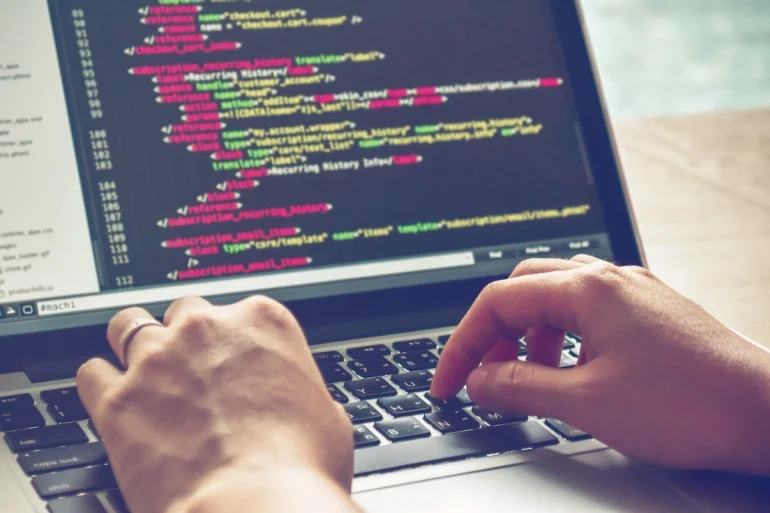
Coding is nothing more than communicating with a computer.
A computer cannot understand human language on its own. Coding helps translate your ideas into a language that computers can follow. You write instructions, and the computer executes them exactly as written.
For example, coding allows you to:
- Create websites and mobile apps
- Automate daily tasks
- Build software and tools
- Analyze data and trends
Once you understand this basic concept, coding becomes far less scary.
Why Learning Coding Is Worth It Today
Learning coding is not just about getting a tech job. It’s about becoming future-ready.
In today’s digital world, coding skills add value to almost every profession. Even basic coding knowledge can improve efficiency, productivity, and problem-solving abilities.
Coding also offers flexibility—remote work, freelancing, and global opportunities are common in this field. This is why coding is considered one of the most powerful skills of the modern era.
Best Coding Languages for Beginners Without Tech Background
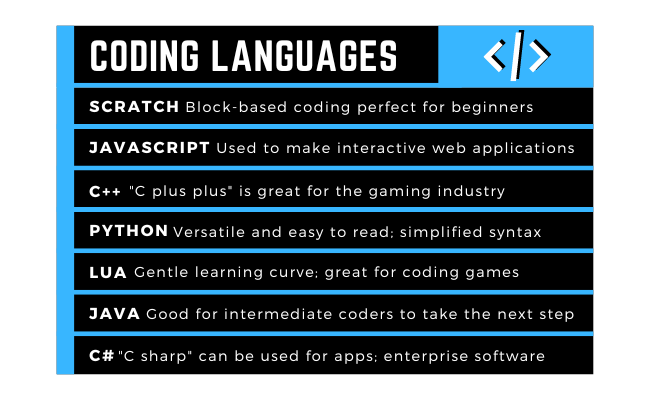
Python – The Most Beginner-Friendly Language
Python is widely recommended for beginners because its syntax is simple and easy to read. Many learners feel comfortable with Python within weeks of starting.
It is used in:
- Artificial Intelligence
- Data analysis
- Automation
- Web development
If you want a smooth and confidence-building start, Python is an excellent choice.
HTML & CSS – Perfect for Visual Learners
HTML and CSS are used to create the structure and design of websites. These languages do not involve complex logic, which makes them ideal for beginners.
The best part is that you can see your progress instantly on the screen. This visual feedback keeps learners motivated and engaged.
JavaScript – Learn After the Basics
JavaScript is more powerful and is used to make websites interactive. While it is not ideal as a first language, it becomes much easier once you understand HTML and CSS.
Learning JavaScript opens doors to advanced web and app development.
Step-by-Step Learning Path for Beginners
Step 1: Start With the Absolute Basics
Avoid advanced tutorials at the beginning. Focus on understanding what coding is, how programs run, and how basic logic works.
Strong fundamentals make future learning easier and faster.
Step 2: Focus on One Language Only
Trying to learn multiple languages at once creates confusion. Beginners should choose one language and stay consistent for at least a few months.
Mastering one language builds confidence and clarity.
Step 3: Practice a Little Every Day
Coding is a skill that improves with practice. Even small daily practice sessions are more effective than long, irregular study hours.
Consistency helps your brain adapt to logical thinking.
Step 4: Build Small and Simple Projects
Projects help convert theory into real understanding. Simple projects teach you how different concepts work together.
Each small project boosts confidence and keeps learning interesting.
Common Beginner Mistakes to Avoid
Many beginners quit coding not because it is difficult, but because they make avoidable mistakes. Watching tutorials without practicing is one of the most common problems.

Comparing your progress with others can also discourage you. Everyone learns at a different pace, and that is completely normal.
Confusion and errors are part of the learning process, not signs of failure.
Where Should Beginners Learn Coding?
Beginners should choose platforms that focus on simple explanations and hands-on practice. Learning becomes effective when you write code yourself, not just watch videos.
At the start, prioritize understanding concepts over collecting certificates.
Career Opportunities After Learning Coding
Even basic coding skills can lead to meaningful opportunities. Many beginners start with entry-level roles, freelancing, or project-based work.

Over time, coding skills can be upgraded to advanced roles with higher income and better flexibility.
Coding does not limit you—it expands your career possibilities.
How Long Does It Take to Learn Coding?
Learning speed depends on consistency and practice. Most beginners can understand the basics within a couple of months.
With regular effort, many learners become comfortable coding within six months and job-ready within a year.
Your background does not decide your speed—your dedication does.
Final Words: Start Before You Feel Ready
You don’t need confidence to start learning coding. Confidence comes after you start.
Every expert coder was once a beginner who felt confused and unsure. The only difference is that they didn’t quit.
This article is intended for educational and informational purposes only. The learning paths, tools, and timelines mentioned are general guidelines and may vary depending on individual learning ability, effort, and consistency.
#LearnCoding #CodingForBeginners #NonTechToTech #BeginnerCoding #LearnProgramming #c #PythonForBeginners #WebDevelopmentBasics #Carrerbook #Anslation #StartCoding #SkillDevelopment #OnlineLearning #FutureSkills #CareerInTech #SelfLearning