
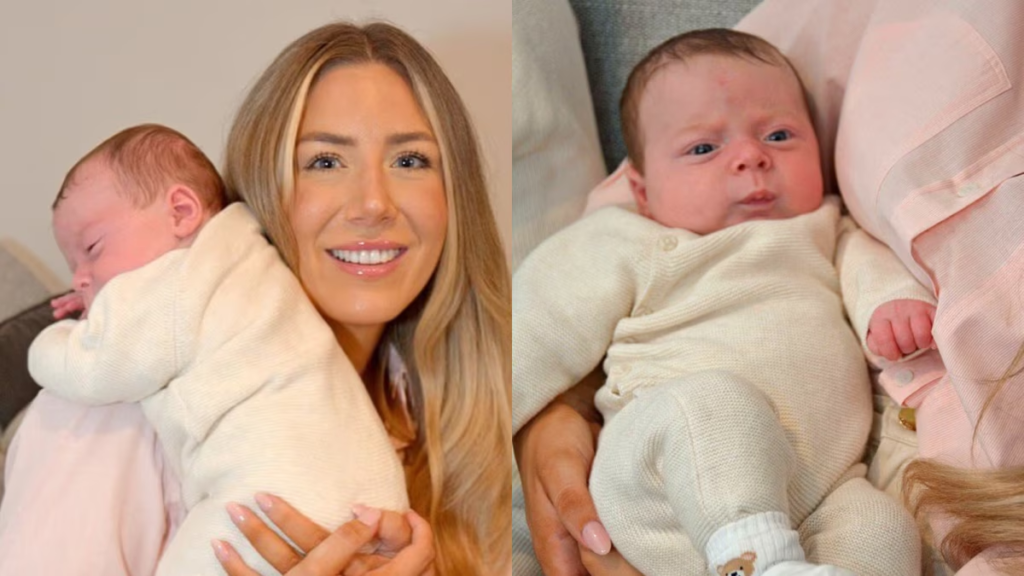
In a ground-breaking moment for medical science, the UK has celebrated the birth of its first baby from a womb transplanted from a deceased donor. Grace Bell, a woman in her 30s born without a viable womb, gave birth to her son Hugo, now 10 weeks old, calling the experience “simply a miracle.”
A Miracle Birth: Hugo’s Story
Hugo entered the world just before Christmas 2025 at Queen Charlotte’s and Chelsea Hospital, London, weighing nearly 7lbs. Grace Bell, who was born with MRKH syndrome, a condition affecting 1 in every 5,000 women in the UK, has normal ovaries but no womb, meaning she could not carry a child naturally.
At age 16, Bell was told she would never carry her own child. But thanks to the revolutionary medical procedure of womb transplantation, she could finally experience pregnancy herself.
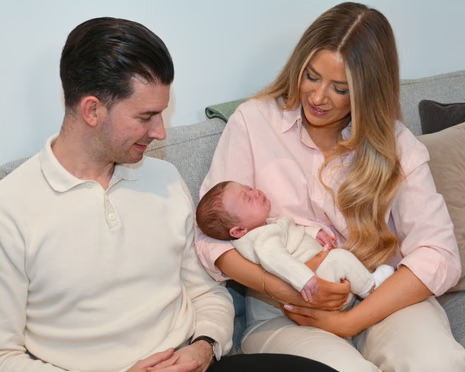
When she received the life-changing call that a womb had become available, Bell described the moment as “complete shock and pure excitement.” At the same time, she reflected deeply on the selfless generosity of the donor’s family, who made the birth possible.
“I think of my donor and her family every day and pray they find some peace in knowing their daughter gave me the biggest gift: the gift of life,” Bell shared.
The Journey to Parenthood
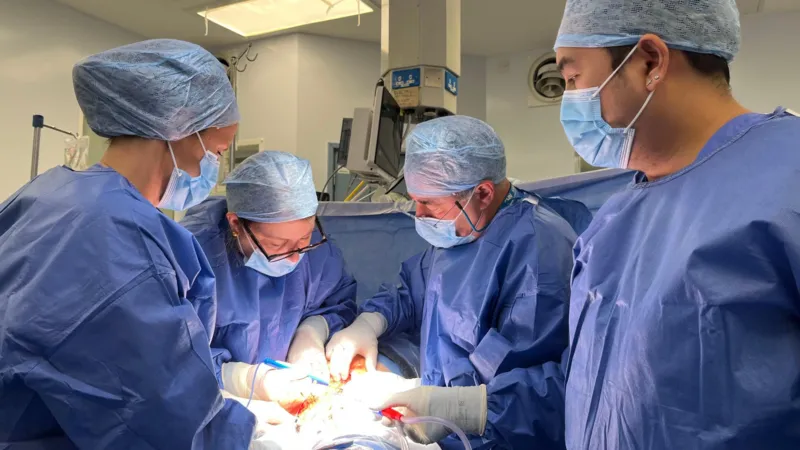
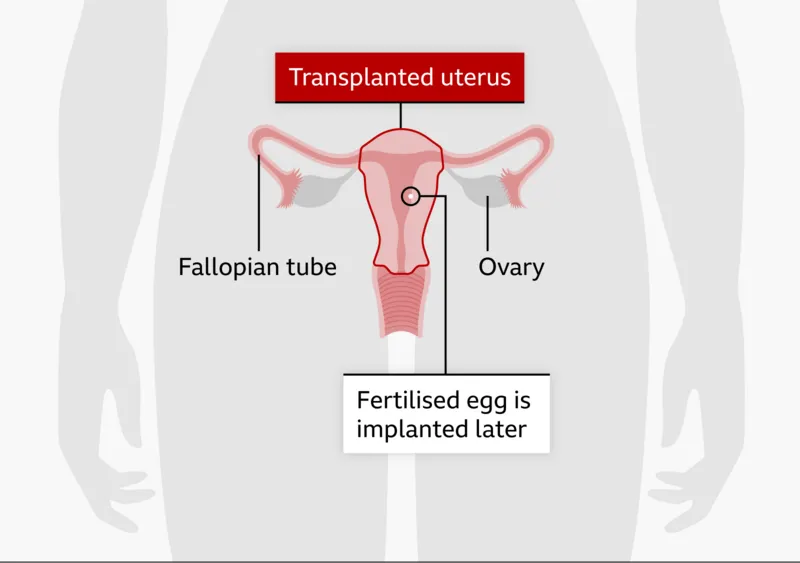
Grace’s womb transplant surgery took place at The Churchill Hospital in Oxford in June 2024. The 10-hour operation was followed by months of recovery before she underwent IVF treatment and embryo transfer at The Lister Fertility Clinic in London.
Hugo’s birth marks the first successful delivery in the UK from a deceased donor womb transplant, part of a clinical research trial testing this innovative procedure.
A Groundbreaking Medical Achievement
The team behind this historic birth included Prof Richard Smith, consultant gynaecologist at Imperial College Healthcare NHS Trust, who has dedicated over 25 years to womb transplantation research. He described Hugo’s birth as the product of “a huge team effort,” highlighting the collaboration of surgeons, nurses, and fertility specialists.
Transplant surgeon Isabel Quiroga called the birth a breakthrough in organ transplantation, giving hope to women born without a womb who dream of carrying their own child.
Crucially, Hugo shares no genetic link with the donor, proving that womb transplantation allows women to give birth to their own genetically unrelated children safely.
Globally, more than 100 womb transplants have been performed, resulting in over 70 healthy babies, but this is the UK’s first using a deceased donor womb.
Honoring the Donor’s Gift
Grace and her partner, Steve Powell, expressed their eternal gratitude to the donor and her family. The family, who chose to remain anonymous, donated five other organs, giving multiple families hope, healing, and life.
“Through organ donation, she has given other families the precious gift of time, hope, healing, and now life,” they said.
This extraordinary act of generosity demonstrates how one family’s selflessness can change lives forever.
Hugo was born just before Christmas 2025, weighing nearly 7lbs, at Queen Charlotte’s and Chelsea Hospital in west London.
Bell was born without a womb and doesn’t have periods but does have normal ovaries – a condition called MRKH syndrome, which affects one in every 5,000 women in the UK.
At the age of 16, she was told she wouldn’t be able to carry her own child.
To have a baby, the couple’s only option was to hope for a womb transplant or go down the route of surrogacy.
When she received a phone call saying a womb had been donated and a transplant was possible, Bell remembers being “in complete shock” and “really excited”.
But she was also acutely aware of the donor family’s “incredible gift”, which would enable her to carry and give birth to her own child.
“I think of my donor and her family every day and pray they find some peace in knowing their daughter gave me the biggest gift: the gift of life,” Bell said.
“A part of her will live on forever.”
Looking to the Future
Grace and Steve may consider having a second child. Afterward, the transplanted womb will be removed to avoid the need for lifelong immune-suppressing medication, making the procedure both safe and temporary.
This historic birth opens new doors for women of child-bearing age who previously had no options to carry their own children, showing the life-changing potential of medical innovation combined with human generosity.
Hope for women born without a womb
Amy was born at the same London hospital as Hugo. The medical team behind both births has been building towards this moment for many years.
Consultant gynaecologist Prof Richard Smith, from Imperial College Healthcare NHS Trust, started researching womb transplantation more than 25 years ago and was present at Hugo’s birth. He said “a huge team of people” had been involved in the process – from the transplant operation to the embryo transfer and the delivery itself.
Bell and Powell showed their gratitude to Smith, who also founded the charity Womb Transplant UK, by giving their son a middle name of Richard.
The couple may decide to have a second baby, after which surgeons will remove the transplanted womb. This is to save Bell from taking a lifetime of strong drugs to prevent the body’s immune system attacking the transplanted organ.
Transplant surgeon and joint team leader Isabel Quiroga said she was “delighted” by Hugo’s birth and called it a breakthrough for organ transplantation in the UK.
“Very few babies have been born in Europe as a result of their mothers receiving a womb from a deceased donor,” she said.
“Our trial is seeking to discover whether this procedure could become an approved and regular treatment for some of the increasing number of women of child-bearing age who do not have a viable womb.”
Smith said the birth showed that girls and young women who were told they didn’t have a womb could now have hope of carrying their own child.
A baby born following the transplantation of a womb from a deceased donor does not have any genetic links with the donor.
More than 100 womb transplant operations have been performed around the world and more than 70 healthy babies have been born as a result.
FAQs
1. Can a baby inherit genes from the womb donor?
No, the baby is genetically related only to the parents. The womb does not pass on genetic material.
2. How long does a transplanted womb last?
Typically, a transplanted womb is removed after one or two pregnancies to reduce health risks from immune-suppressing drugs.
3. Who can donate a womb?
Only donors with family consent can donate. This can be after death or, in rare cases, from living relatives.
4. How common are womb transplants?
Over 100 womb transplants have been performed worldwide, resulting in 70+ healthy babies.
5. Is this procedure available in the UK?
Currently, womb transplants in the UK are experimental and only conducted in clinical trials.
#WombTransplant #MedicalBreakthrough #MiracleBaby #Carrerbook #Anslation #UKNews #OrganDonation #MRKHSyndrome #HugoTheMiracle #FutureOfFertility #DeceasedDonor #HealthcareInnovation